> For the complete documentation index, see [llms.txt](https://helpdocs.ycloud.com/help-center/llms.txt). Markdown versions of documentation pages are available by appending `.md` to page URLs; this page is available as [Markdown](https://helpdocs.ycloud.com/help-center/chatbot/chatbot-components/trigger.md).
# Trigger
## What is Trigger?
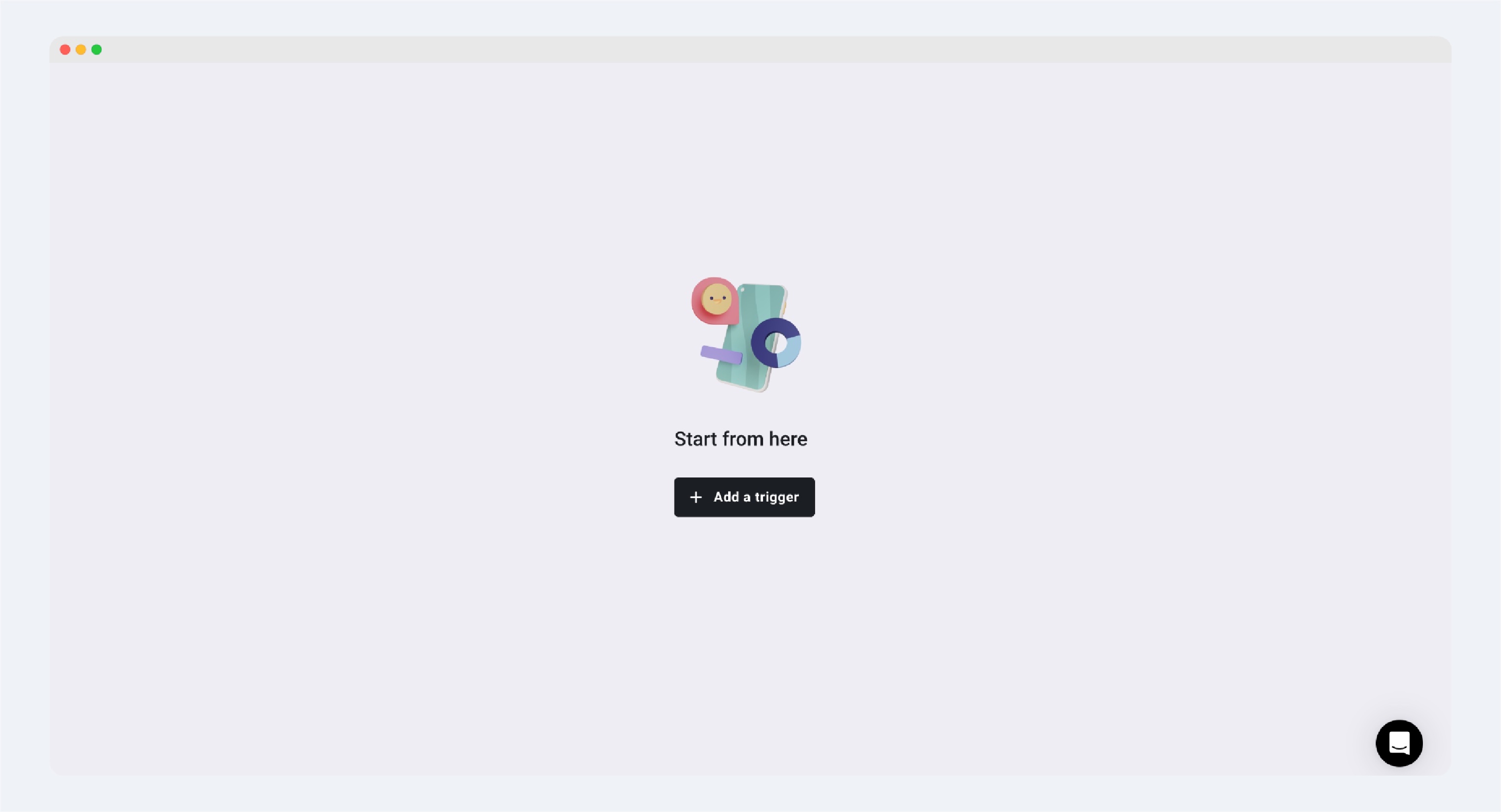
When a user wants to create a new Chatbot, the page will first prompt "Add a trigger," which indicates the need to add a trigger keyword for the Chatbot.
## Trigger:
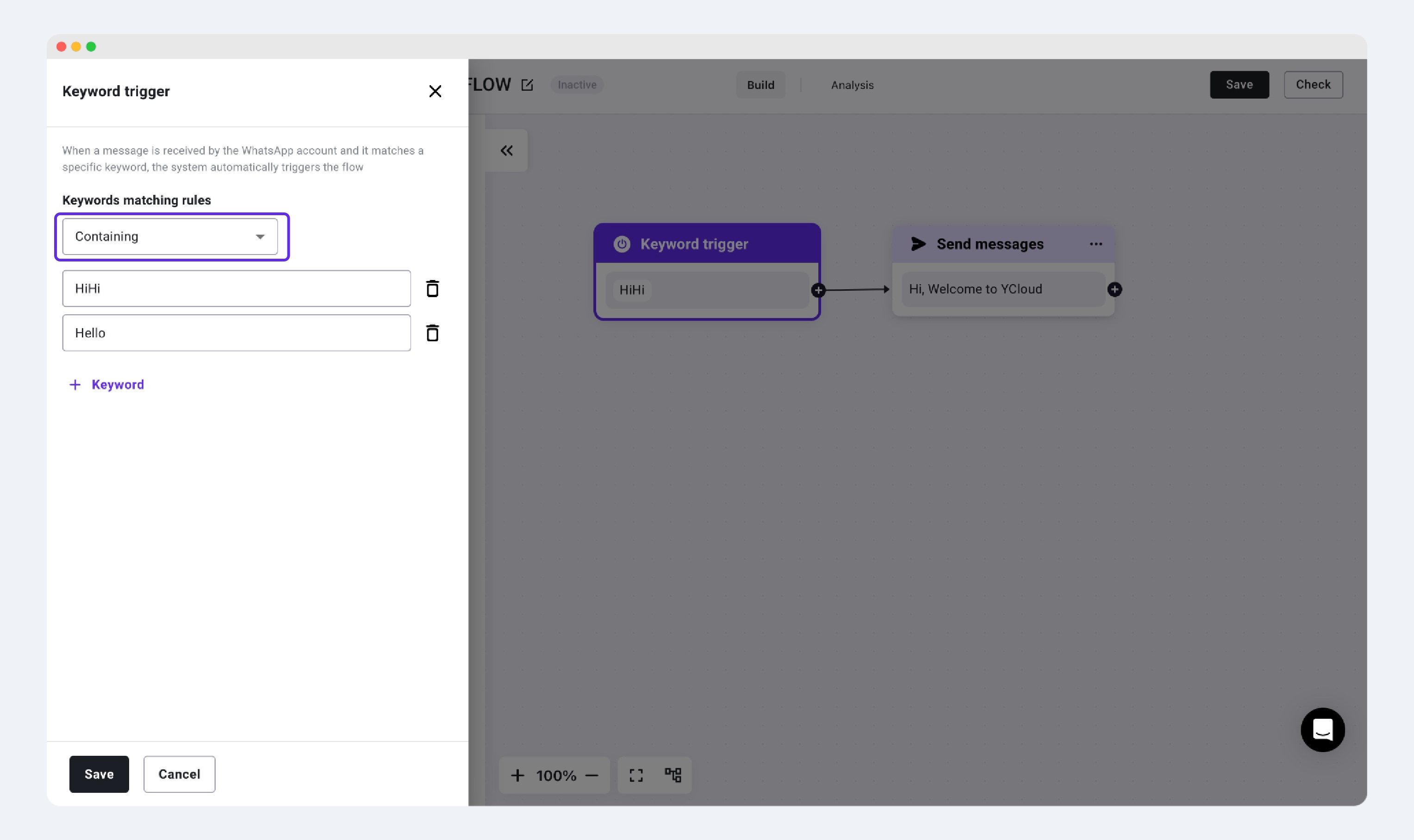
### Exact Matching
* A trigger occurs only when the user's reply exactly matches any of the set keywords.
* Suitable for scenarios involving specific coupon codes or invitation codes.
### Containing
* A trigger occurs if the user's reply contains any of the set trigger keywords.
## Natural language trigger
{% hint style="info" %}
Choosing natural language trigger and specific keyword triggers are not mutually exclusive. After setting natural language triggers, you can still add specific trigger keywords to activate the corresponding chatbot.
{% endhint %}
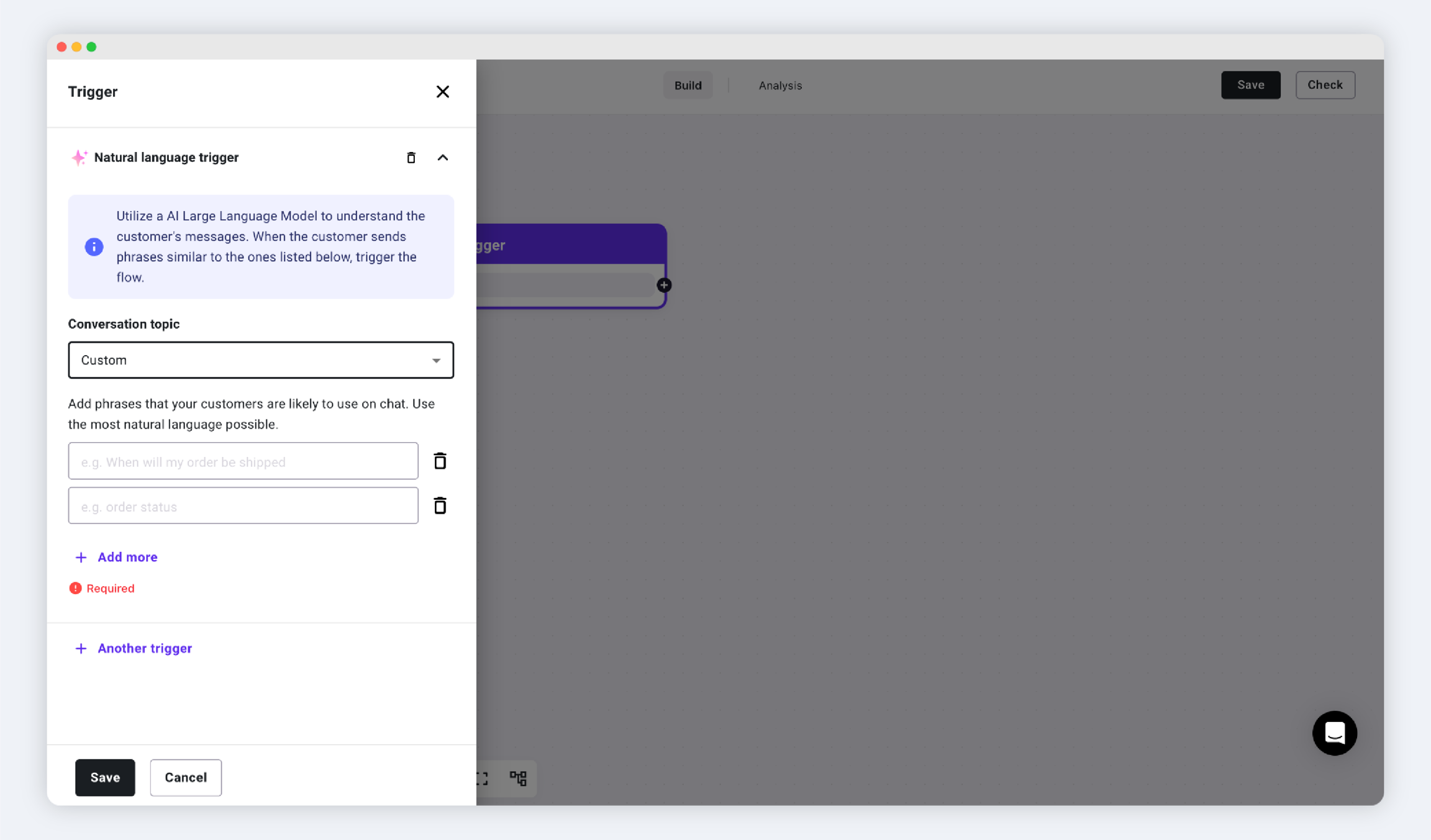
Use AI large language models to understand user-triggered chatbot keywords without needing to input specific trigger keywords.
You can select default trigger topics in the YCloud system under "Conversation topic," such as greeting, checking order status, transferring to an agent, etc.; or you can choose to customize specific topics. Additionally, you can add other keywords below that you think are necessary to better recognize the customer's intent and trigger the corresponding chatbot flow.
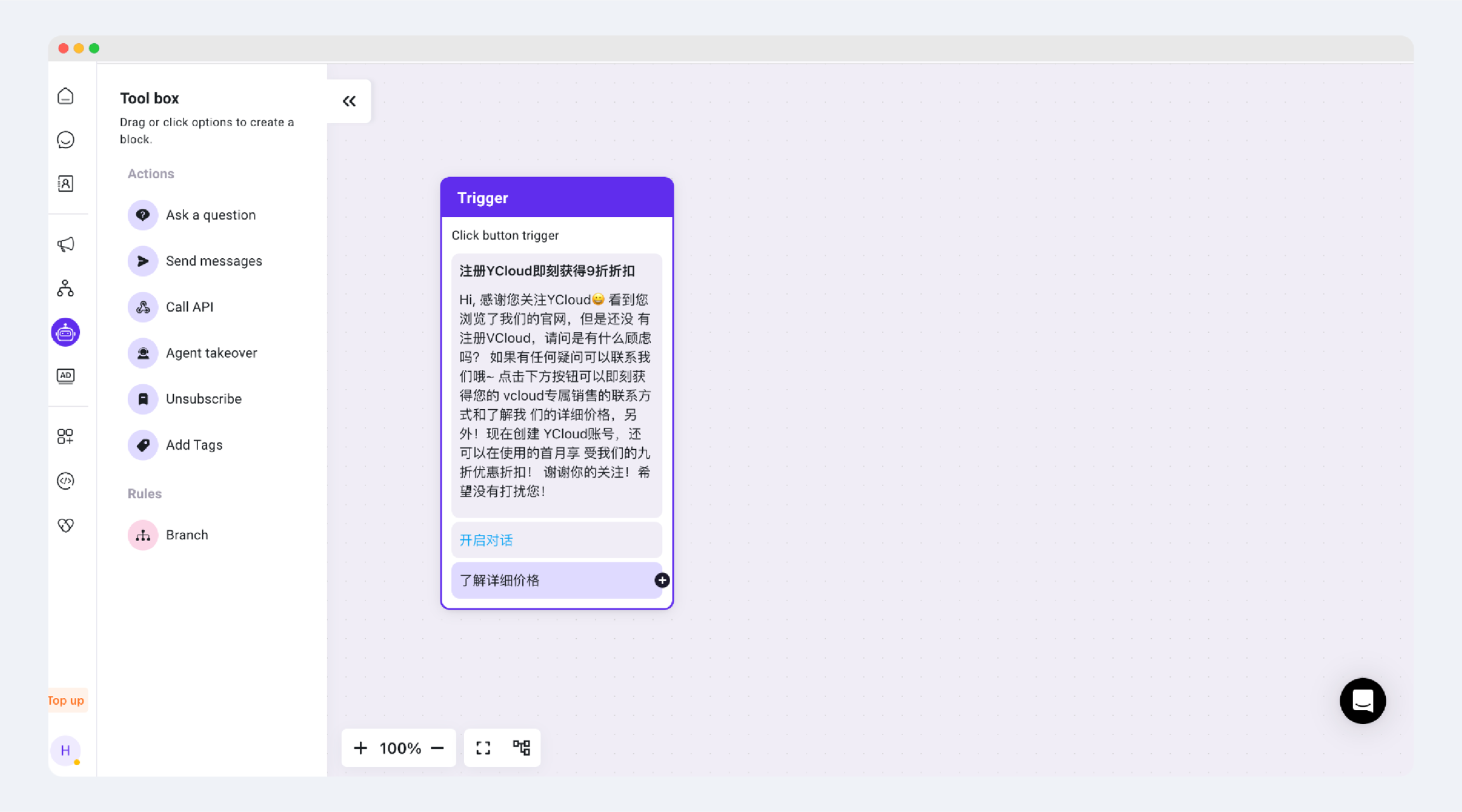
## Click button trigger
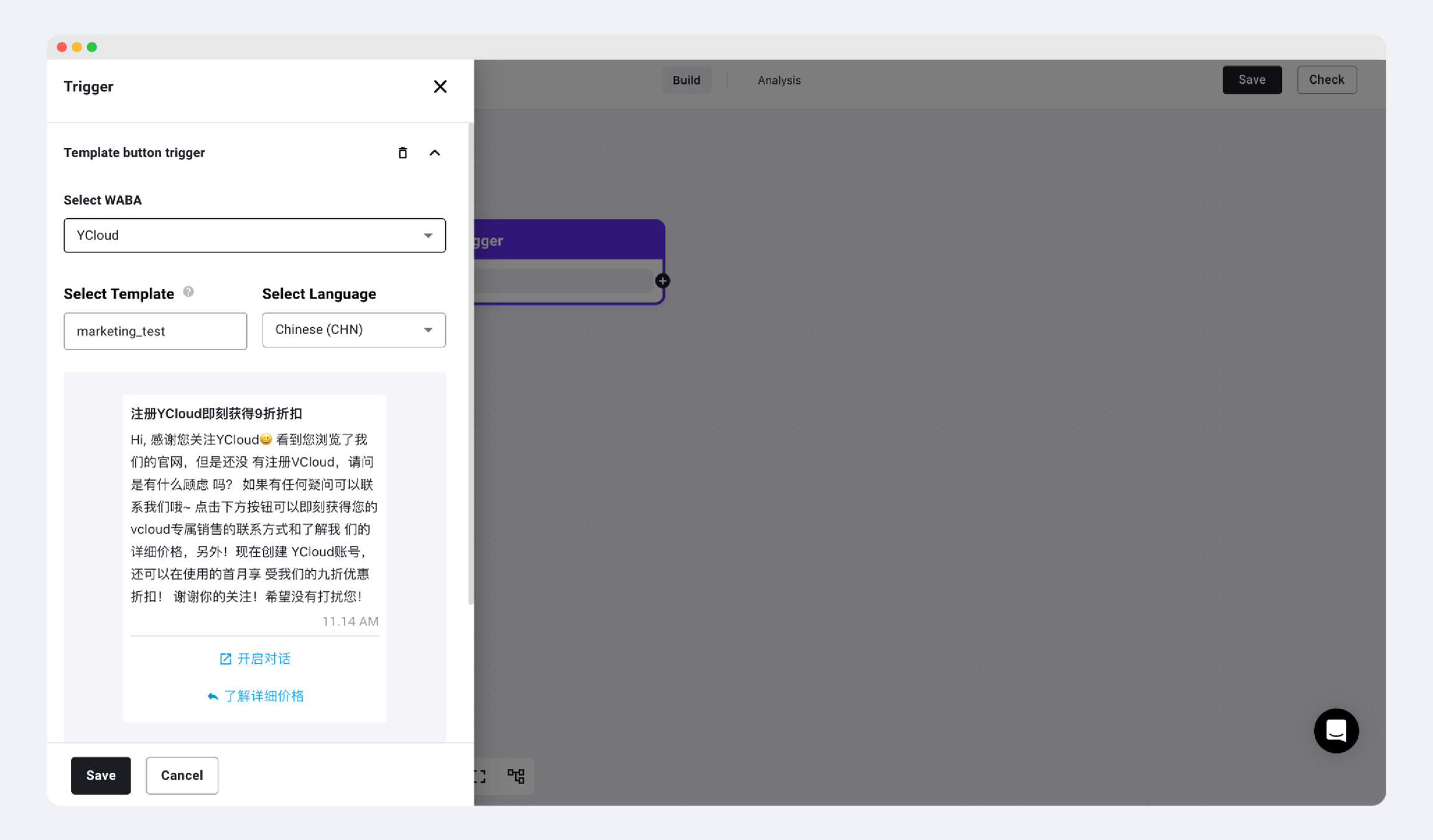
To trigger the chatbot, it is essential to use template messages with quick reply buttons.
This is applicable when a business sends marketing/utility type messages with quick reply buttons to users. When the user clicks the corresponding button, it will redirect them to the corresponding chatbot flow, where interactions with the user will take place.
---
# Agent Instructions
This documentation is published with GitBook. GitBook is the documentation platform designed so that both humans and AI agents can read, navigate, and reason over technical content effectively. Learn more at gitbook.com.
## Querying This Documentation
If you need additional information that is not directly available in this page, you can query the documentation dynamically by asking a question.
Perform an HTTP GET request on the current page URL with the `ask` query parameter, and the optional `goal` query parameter:
```
GET https://helpdocs.ycloud.com/help-center/chatbot/chatbot-components/trigger.md?ask=&goal=
```
`ask` is the immediate question: it should be specific, self-contained, and written in natural language.
`goal` is optional and describes the broader end goal you are ultimately trying to accomplish on behalf of the user. GitBook uses it to tailor the answer towards what is most useful for that goal.
The response will contain a direct answer to the question and relevant excerpts and sources from the documentation.
Use this mechanism when the answer is not explicitly present in the current page, you need clarification or additional context, or you want to retrieve related documentation sections.